2026-10-23 · Marcel Thibodeaux
Hurricane Season Debris Cleanup: Dumpster Rental Tips for New Orleans Homes
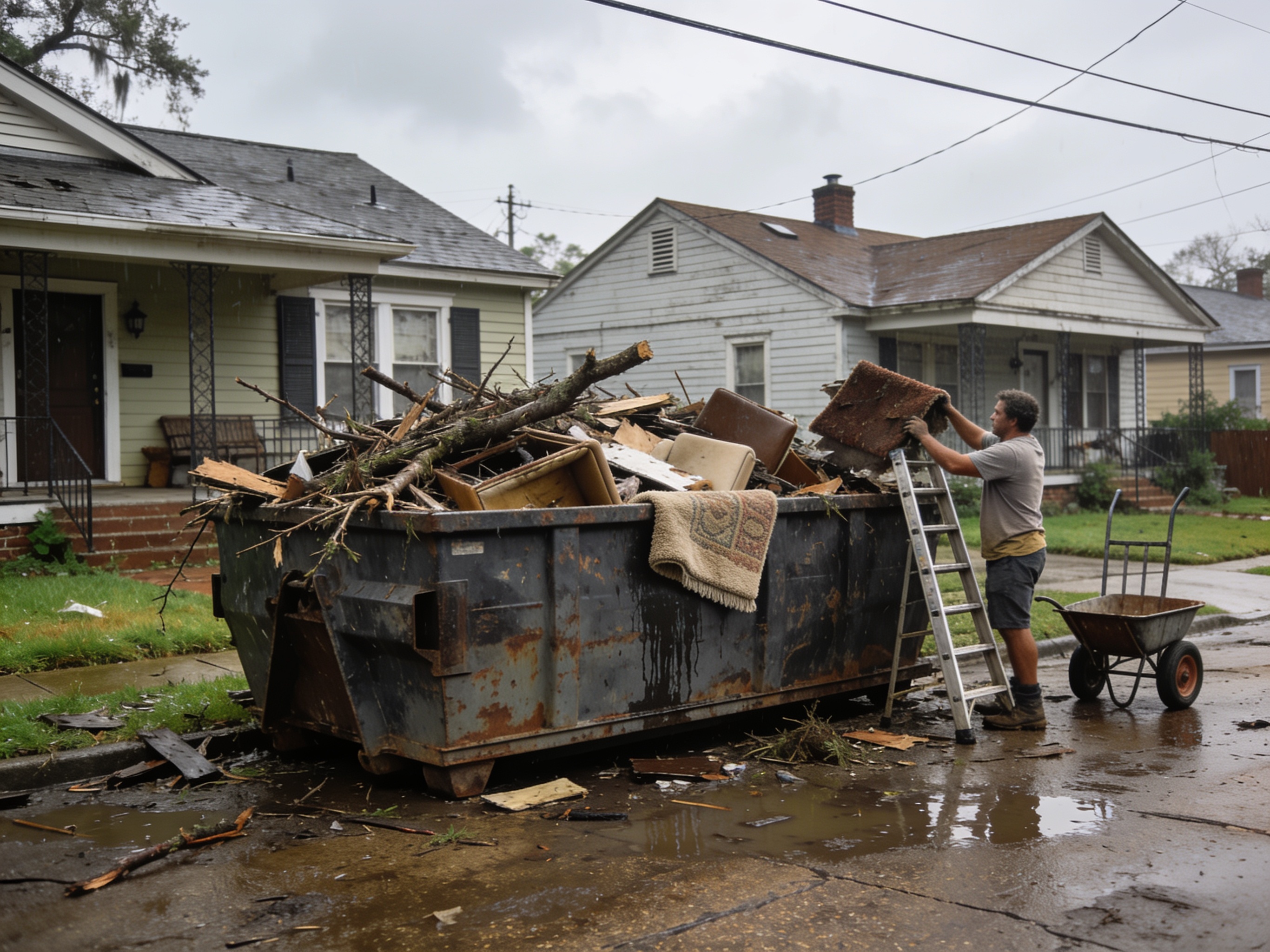
New Orleans homes in Orleans Parish face heavy debris loads from hurricanes, and the most effective approach starts with booking a residential dumpster rental sized for mixed storm waste like branches, roofing shingles, and flooded furniture before the next system arrives.
Handling Debris Types Common After Storms
Hurricanes in the humid subtropical climate drop large volumes of tree limbs, saturated drywall, and household items onto properties across Uptown, Mid-City, and Lakeview. These materials often mix with mud and standing water, so crews separate metal and concrete from organic waste to avoid extra fees at local transfer stations. Homeowners in Gentilly and Algiers typically see more roof shingles and insulation after high winds, while Bywater and Marigny properties add fencing and porch debris. Placing the container on a driveway or permitted street spot keeps crews from tracking mud through narrow lots. Proper sorting at the curb speeds unloading and keeps the rental period short even when crews work around frequent afternoon showers.
Placement Challenges in Historic Neighborhoods
Tight streets and raised homes in the French Quarter and Garden District limit where a roll-off fits without blocking sidewalks or driveways. Operators often use smaller 10- or 15-yard units on Treme or Marigny blocks where alleys are narrow and overhead wires hang low. In Lakeview and City Park areas, soft soil after rain requires plywood under the wheels to prevent sinking. Residents near Jackson Square or St. Louis Cathedral must also watch for tourist foot traffic when scheduling delivery. Checking the exact footprint against property lines before the truck arrives prevents delays and keeps neighbors from complaining about blocked access to Audubon Zoo or nearby parks.
Permit Rules for Orleans Parish Properties
Many streets in the French Quarter and Garden District require a permit before a dumpster sits on public pavement. The process involves measuring the container footprint and submitting photos of the planned spot, which usually takes a few days during peak season. Homeowners in Metairie or Harvey who cross into Orleans Parish for disposal still follow city rules when the unit crosses parish lines. Linking to the permit guide helps clarify steps for Garden District addresses where historic district overlays add extra paperwork. Without the right approval, crews may have to move the unit mid-job, extending the rental and raising costs.
Timing Rentals Around Weather Patterns
Scheduling a same-day dumpster rental right after a storm passes lets crews clear yards before the next system forms in the Gulf. Summer heat and humidity speed mold growth on wet debris, so prompt removal protects foundations in older Uptown homes. Properties near the Mercedes-Benz Superdome or City Park often book units weeks ahead when forecasts show multiple storms lined up. Checking availability on weekends, when the office is open 9am–2pm, helps families who work weekdays. Early booking also locks in placement before streets fill with other contractors working in Slidell or Harvey spillover areas.
Cost Factors Specific to Storm Cleanup
Weight from waterlogged materials and longer rental periods during busy hurricane season drive most price differences for New Orleans jobs. A residential dumpster rental that stays on site for two weeks after a major event costs more than a standard weekend haul because of extra hauls and sorting time. Homes in flood-prone Gentilly or Algiers add weight from mud, while Garden District properties with slate roofs increase tonnage. Reviewing the summer cost guide shows how timing and debris mix change totals without surprises. Owners who separate heavy items before the truck arrives often stay within expected ranges even when multiple storms hit back-to-back.